When you’re starting your hiking journey, it’s super important to set some clear goals and objectives. Think about what you want to achieve. Are you looking to enjoy nature, get some exercise, or maybe even tackle a specific trail?
Setting these goals can help you stay motivated and focused. Don’t worry if you’re not sure where to start; it’s easier than you think! Just take a moment to reflect on what excites you about hiking.
Maybe you want to hike a local trail once a week or aim for a longer hike in a few months. Whatever it is, write it down and keep it somewhere visible. Remember, your goals don’t have to be huge right away.
They can be as simple as walking for 30 minutes on a nearby trail or exploring a new park every month. The key is to make them achievable and enjoyable. As you reach each milestone, you’ll build confidence and feel more excited about your next adventure.
Celebrate those small victories! They’re stepping stones to bigger hikes and experiences. You’ve got this!
Key Takeaways
- Set specific and achievable hiking goals and objectives
- Assess your current fitness level to determine your starting point
- Choose the right hiking gear for comfort and safety
- Create a hiking schedule to gradually increase intensity and duration
- Incorporate cardiovascular exercises to improve endurance and stamina
- Build strength and endurance through resistance training and hiking practice
- Practice balance and coordination exercises to prevent injuries on the trail
- Improve flexibility and mobility to enhance performance and reduce the risk of injury
- Plan nutrition and hydration to fuel your body for hiking
- Practice mental preparation and mindfulness training for a positive hiking experience
- Implement rest and recovery strategies to allow your body to recover and prevent burnout
Assessing Your Current Fitness Level
Before you hit the trails, it’s a good idea to assess your current fitness level.
Start by taking note of how often you exercise and what activities you enjoy.
If you’re already walking or doing some light workouts, that’s a great foundation! Don’t worry if you feel like you’re starting from scratch; everyone has to begin somewhere. You can also try a simple test: walk briskly for 10-15 minutes and see how you feel afterward.
Are you out of breath? That’s okay! It just means you have room to grow.
The important thing is to listen to your body and recognize your limits. As you continue to hike and exercise, you’ll notice improvements in your stamina and strength. Remember, it’s all about progress, not perfection.
You’re on the right path!
Choosing the Right Hiking Gear
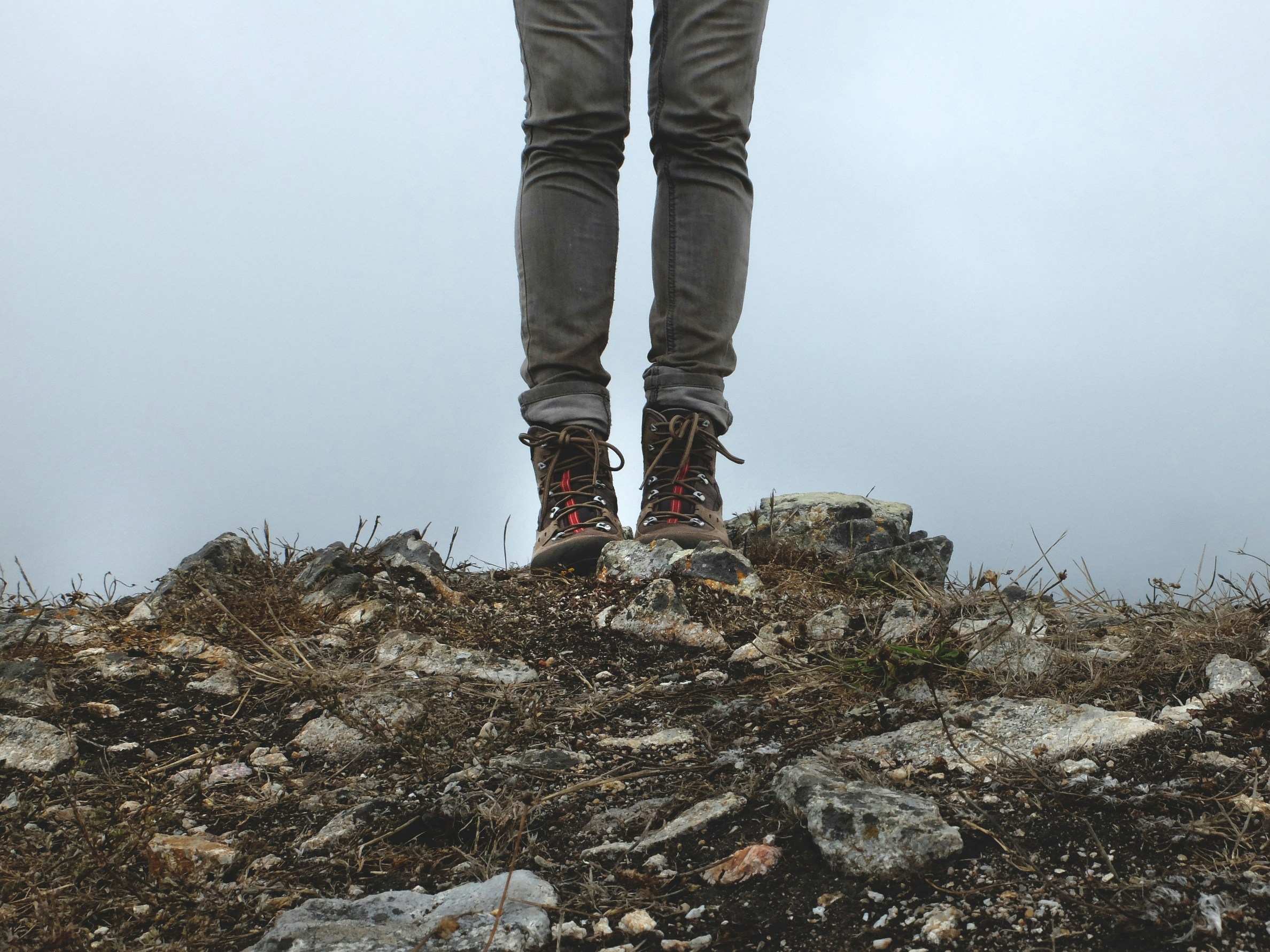
Choosing the right hiking gear can feel overwhelming at first, but don’t worry! It doesn’t have to be complicated. Start with the basics: comfortable shoes are key!
Look for sturdy hiking boots or shoes that provide good support and grip. If you’re unsure what to choose, visit a local outdoor store where staff can help you find the right fit. Trust me, having the right footwear makes a world of difference on the trail.
Next, think about clothing. Dress in layers so you can adjust based on the weather. A moisture-wicking shirt, a warm layer, and a waterproof jacket are great staples.
Don’t forget about accessories like a hat and sunglasses for sun protection! And if you’re planning to hike longer distances, consider investing in a good backpack to carry water, snacks, and any extra gear. It might seem like a lot at first, but take your time to gather what you need.
You’ll feel more prepared and excited for your hikes!
Creating a Hiking Schedule
Creating a hiking schedule is a fantastic way to stay committed and make hiking a regular part of your life. Start by looking at your calendar and finding times that work for you. Maybe weekends are best, or perhaps early mornings fit into your routine.
Whatever it is, block out those times for hiking! It doesn’t have to be every week; even once or twice a month can make a big difference. As you plan your hikes, consider starting with shorter trails that match your fitness level.
You can gradually increase the distance and difficulty as you gain confidence and experience. Don’t forget to include some flexibility in your schedule; life happens! If something comes up, it’s okay to reschedule your hike for another day.
The goal is to make hiking enjoyable, not stressful. You’ll find that having a plan helps keep you motivated and excited for each adventure!
Incorporating Cardiovascular Exercises
To prepare for hiking, incorporating cardiovascular exercises into your routine is super helpful! These exercises get your heart pumping and improve your stamina, making those uphill climbs feel easier over time. You don’t have to hit the gym; there are plenty of fun ways to get your cardio in!
Consider activities like brisk walking, cycling, swimming, or even dancing—whatever gets you moving and makes you smile. Aim for at least 150 minutes of moderate-intensity cardio each week. You can break this down into manageable chunks; even 30 minutes a day, five days a week can do wonders!
If you’re short on time, try squeezing in some quick bursts of activity throughout your day—like taking the stairs instead of the elevator or going for a walk during lunch breaks. Remember, every little bit counts! You’ll be amazed at how quickly your endurance improves.
Building Strength and Endurance

Building strength and endurance is essential for enjoying longer hikes without feeling worn out. Focus on exercises that target your legs, core, and upper body since these muscles will help you navigate various terrains. Simple bodyweight exercises like squats, lunges, and push-ups are great places to start!
You can do them at home without any fancy equipment. As you get stronger, consider adding resistance training with weights or resistance bands. This will help build muscle and improve your overall stability on the trails.
Aim for two to three strength training sessions each week, focusing on different muscle groups each time. And don’t forget about endurance! Gradually increase the length of your hikes or add some elevation to challenge yourself further.
You’ll be surprised at how quickly your body adapts! Keep pushing yourself gently; every step forward is progress.
Practicing Balance and Coordination
Practicing balance and coordination is often overlooked but super important for hiking! Good balance helps prevent falls on uneven terrain, while coordination makes navigating tricky paths easier.
Try standing on one leg while brushing your teeth or practicing yoga poses like tree pose or warrior
Another fun way to improve balance is by walking on different surfaces—like grass, sand, or even rocks—when you’re out and about. This will help train your body to adapt to various terrains you’ll encounter while hiking. If you’re feeling adventurous, consider trying activities like tai chi or dance classes that focus on balance and coordination too!
Remember, it’s all about practice; the more you work on these skills, the more confident you’ll feel on the trails.
Improving Flexibility and Mobility
Improving flexibility and mobility is key for enjoying hiking without feeling stiff or sore afterward. Stretching regularly can help keep your muscles limber and ready for action! Incorporate dynamic stretches before your hikes—like leg swings or arm circles—to warm up your body.
After your hike, take some time for static stretches focusing on your legs, hips, and back. Yoga is another fantastic way to enhance flexibility while also promoting relaxation and mindfulness. You don’t need to be an expert; just find beginner classes online or in-person that suit your level.
Even just 10-15 minutes of stretching each day can make a big difference in how you feel during and after hikes. Remember, flexibility takes time to develop, so be patient with yourself! You’ll notice improvements before you know it.
Nutrition and Hydration Planning
Nutrition and hydration play a huge role in how well you perform on the trails! Eating balanced meals filled with whole foods will give you the energy needed for hiking adventures. Focus on incorporating plenty of fruits, vegetables, whole grains, lean proteins, and healthy fats into your diet.
Don’t worry if it feels overwhelming; just start by making small changes—like adding an extra serving of veggies at dinner or swapping out sugary snacks for nuts or fruit. Hydration is equally important! Make sure you’re drinking enough water throughout the day, especially before and during hikes.
A good rule of thumb is to drink about half a liter (or around 17 ounces) of water per hour while hiking—more if it’s hot outside! Carrying a reusable water bottle or hydration pack can make it easier to stay hydrated on the go. Remember that proper nutrition and hydration will help keep your energy levels up so you can enjoy every step of your hike!
Mental Preparation and Mindfulness Training
Mental preparation is just as important as physical training when it comes to hiking! Taking time to cultivate a positive mindset can make all the difference in how much you enjoy your outdoor adventures. Start by visualizing yourself successfully completing a hike—imagine the sights you’ll see and how great you’ll feel afterward!
This kind of positive thinking can boost your confidence. Mindfulness training can also enhance your hiking experience by helping you stay present in the moment. Try practicing mindfulness techniques like deep breathing or focusing on the sounds around you while walking in nature.
This will help reduce anxiety and allow you to fully appreciate the beauty of your surroundings. Remember that it’s okay if things don’t go perfectly during a hike; embrace the journey! Each experience teaches you something new.
Rest and Recovery Strategies
Finally, don’t underestimate the importance of rest and recovery strategies! Your body needs time to recover after workouts and hikes so that it can rebuild stronger muscles and prevent injuries. Make sure you’re getting enough sleep each night—aim for 7-9 hours if possible!
This will help recharge your energy levels for future adventures. Incorporate rest days into your schedule too; they’re just as important as workout days! On these days, consider doing light activities like walking or gentle stretching instead of intense workouts.
Listen to your body—if you’re feeling fatigued or sore after a hike, give yourself permission to take it easy for a bit longer before hitting the trails again. Remember that rest is part of the journey too! With proper recovery strategies in place, you’ll be ready for more amazing hikes ahead.
Embarking on this hiking journey may seem daunting at first, but with each step forward—whether it’s setting goals or choosing gear—you’ll find yourself growing more confident and excited about exploring the great outdoors! Take it one day at a time; you’ve got this!